The Future of Artificial Intelligence: NURE Hosts Bachelor’s Thesis Defenses by Graduates of the Artificial Intelligence Educational Program**
17 July 2026
The Artificial Intelligence Department at Kharkiv National University of Radio Electronics (NURE) has completed a marathon of bachelor’s qualification thesis defenses for students majoring in Specialty 122, Computer Science. This year’s graduates demonstrated not only profound theoretical knowledge but also the ability to address challenges of critical importance to Ukraine’s economy, defense, and social sectors.
A Broad Range of Topics: From Quantum Computing to Cybersecurity
The range of research topics was remarkable in both its diversity and relevance. The students presented projects in the following areas:
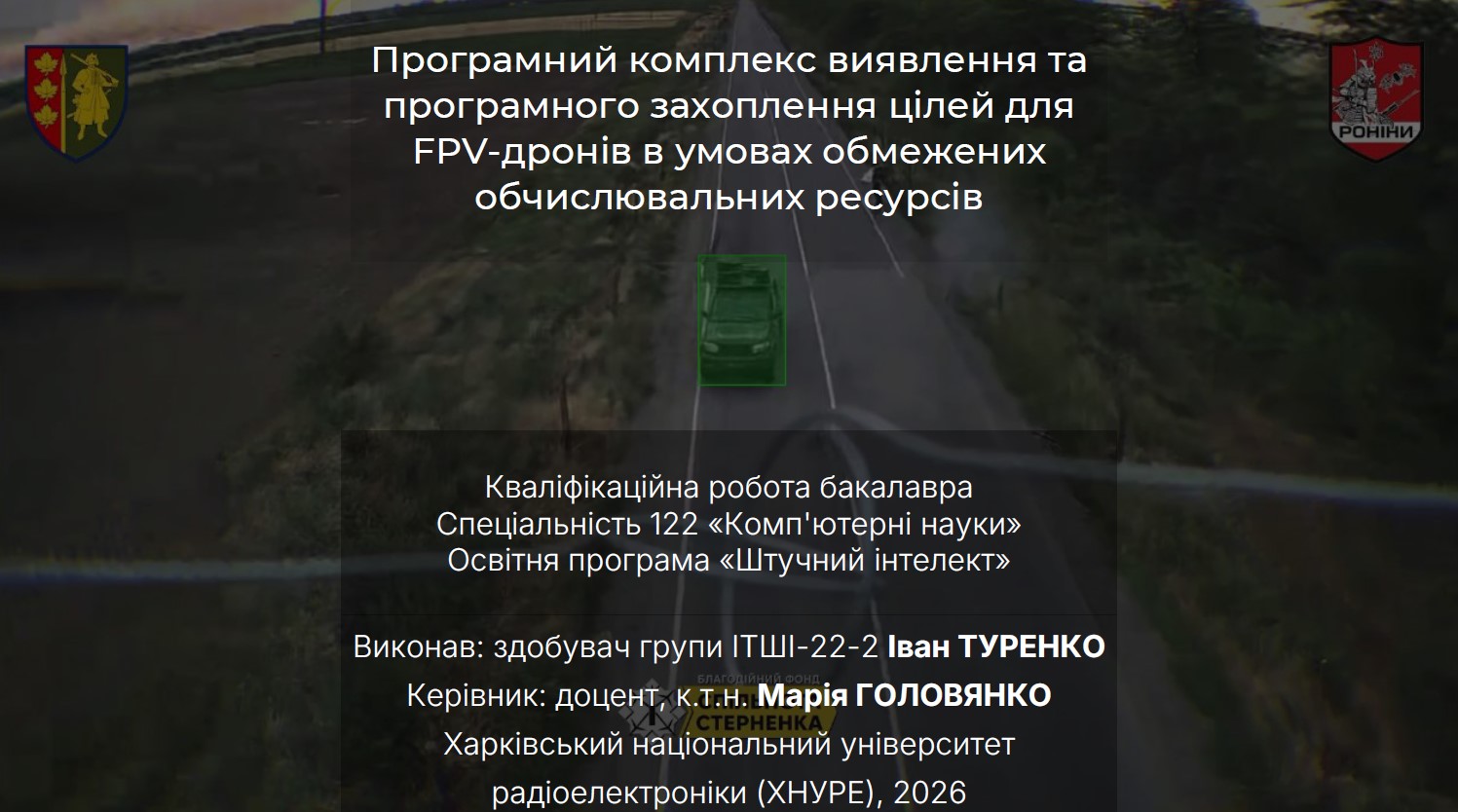
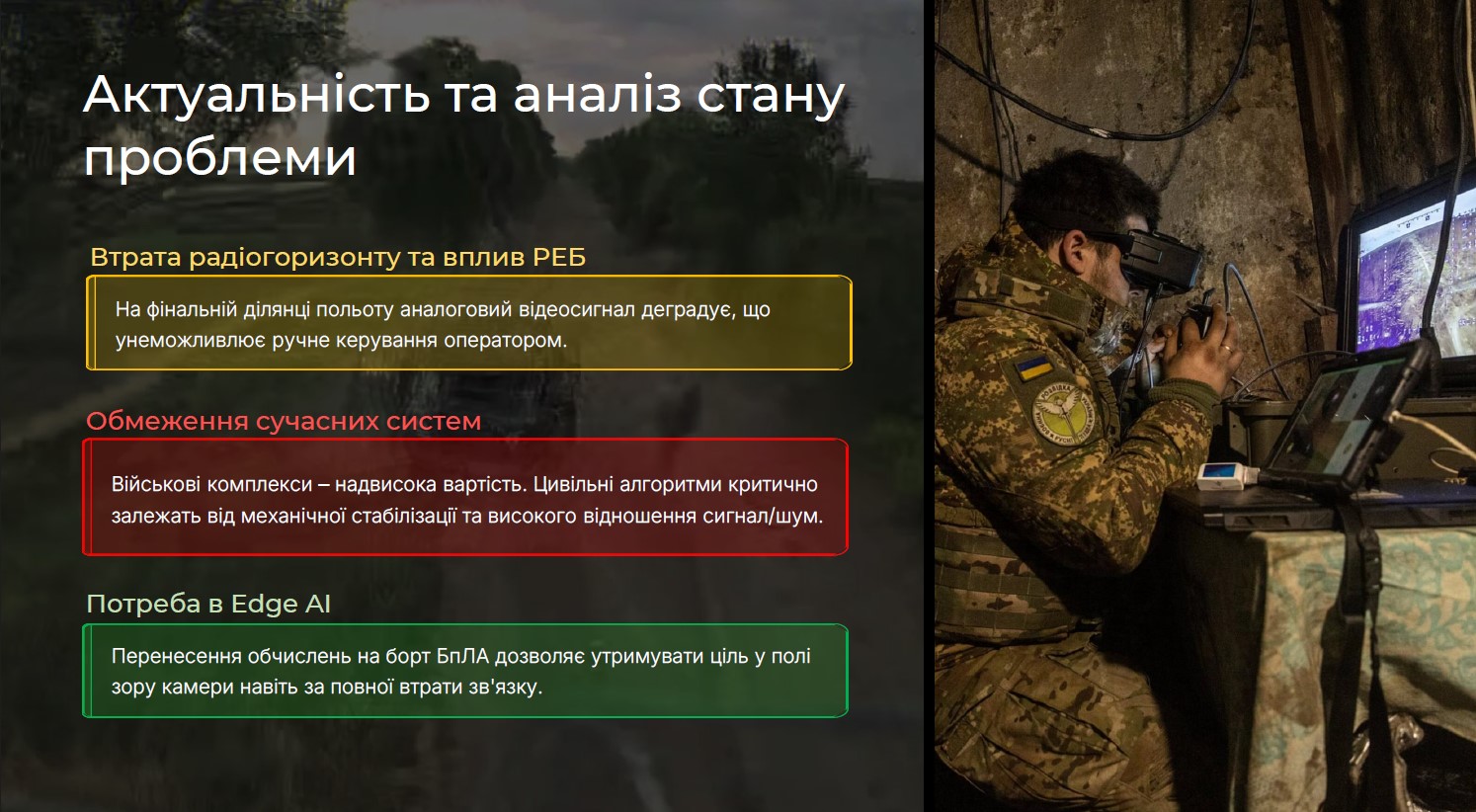
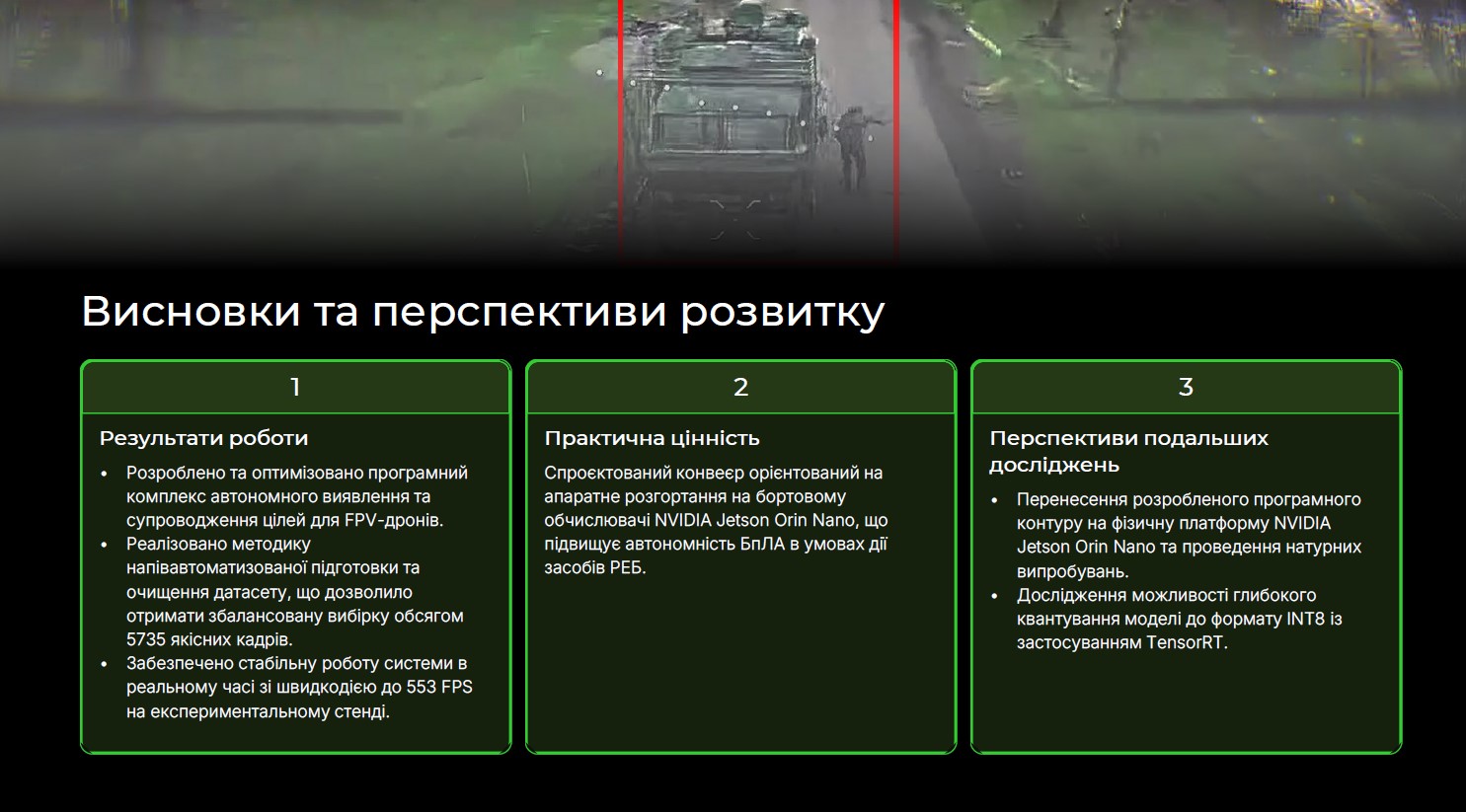
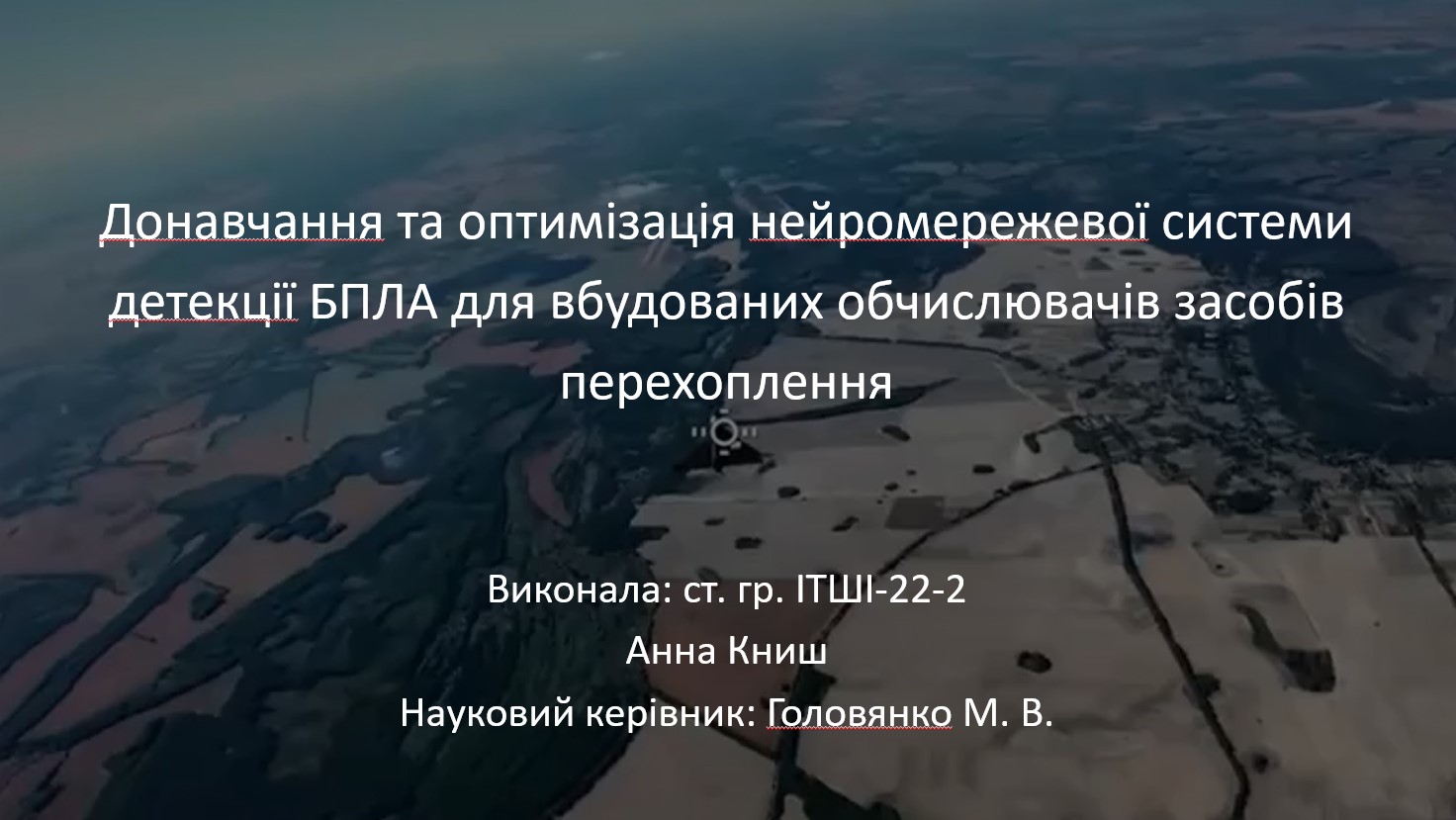
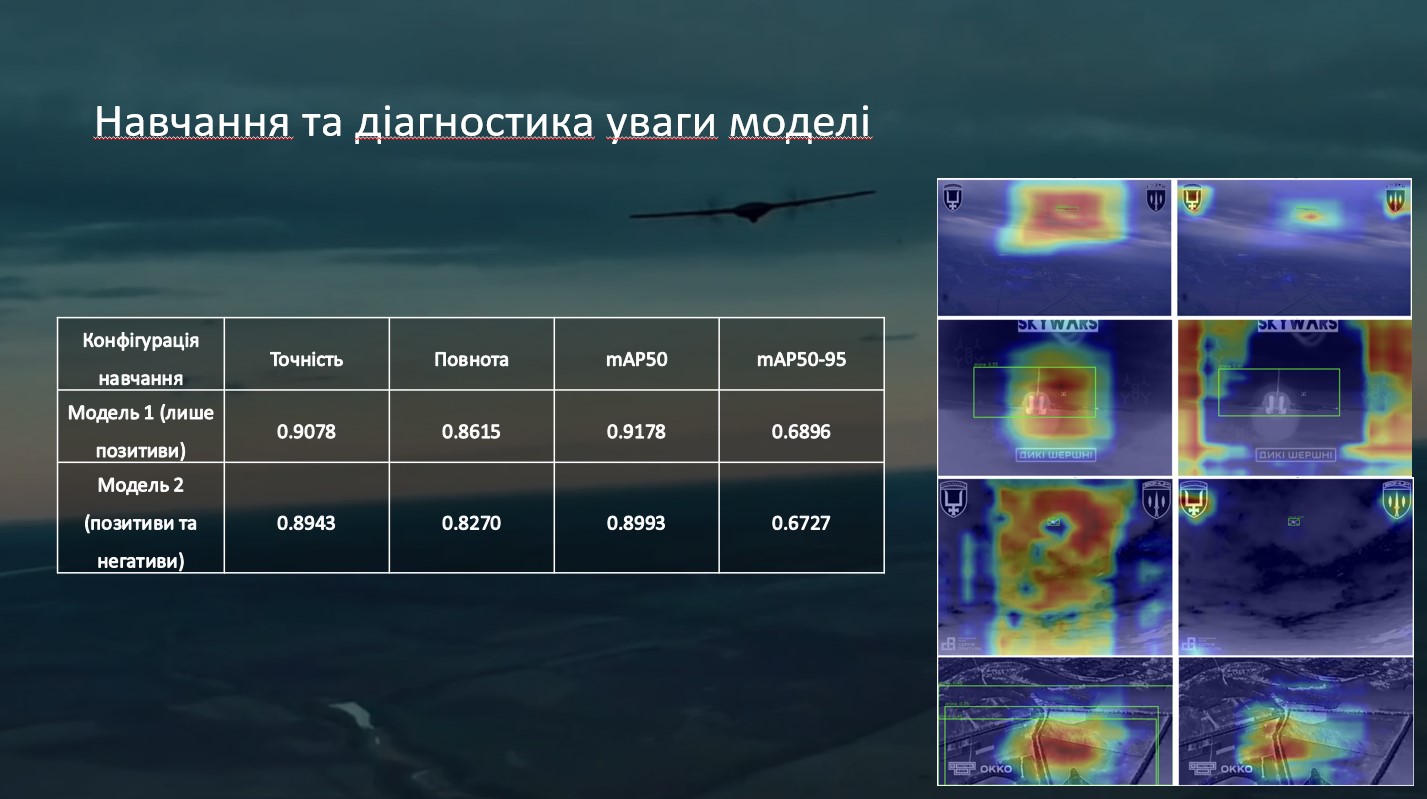
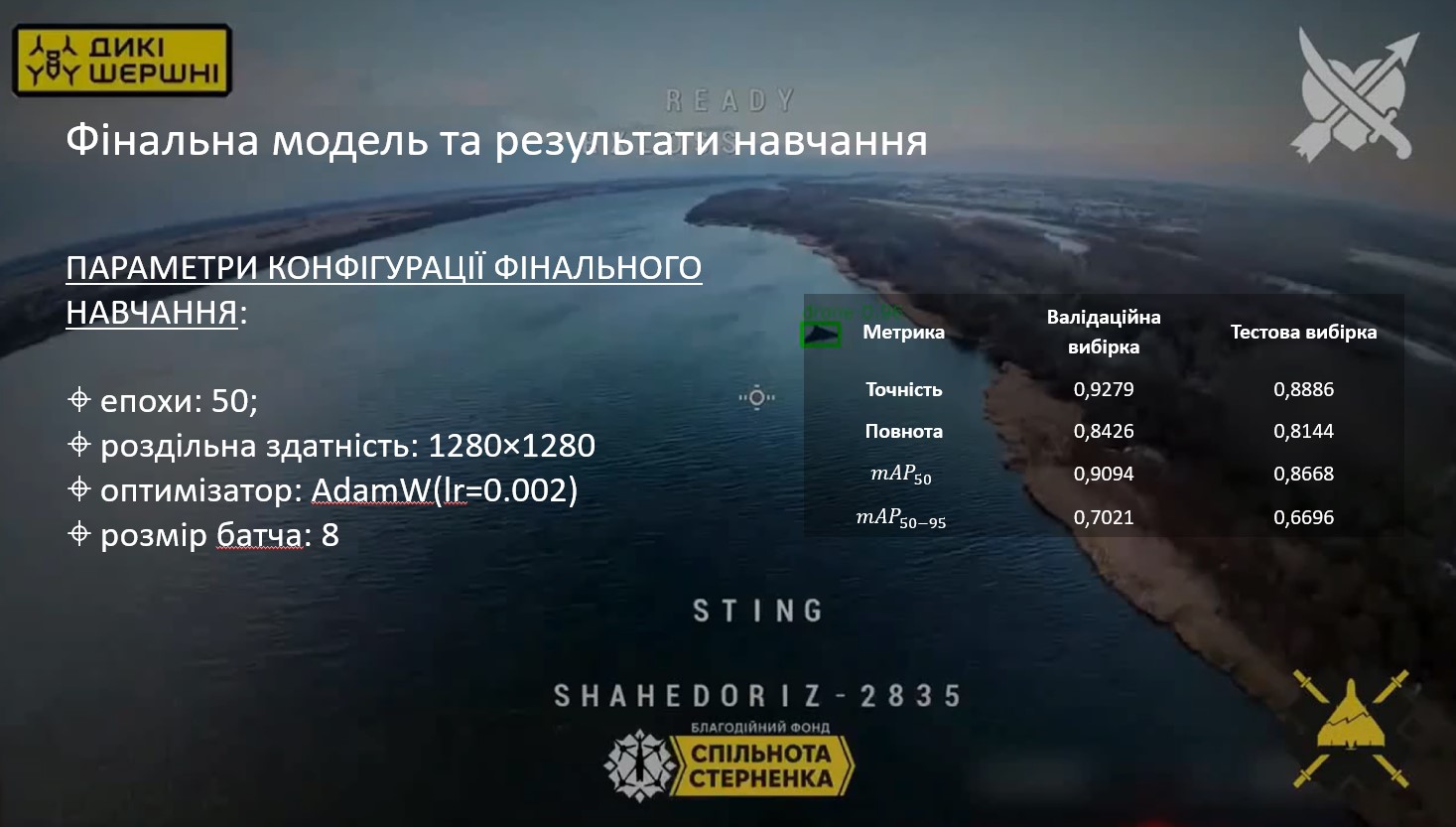
- Defense capabilities: the development of UAV detection systems and autonomous guidance solutions for FPV drones operating under electronic warfare conditions.
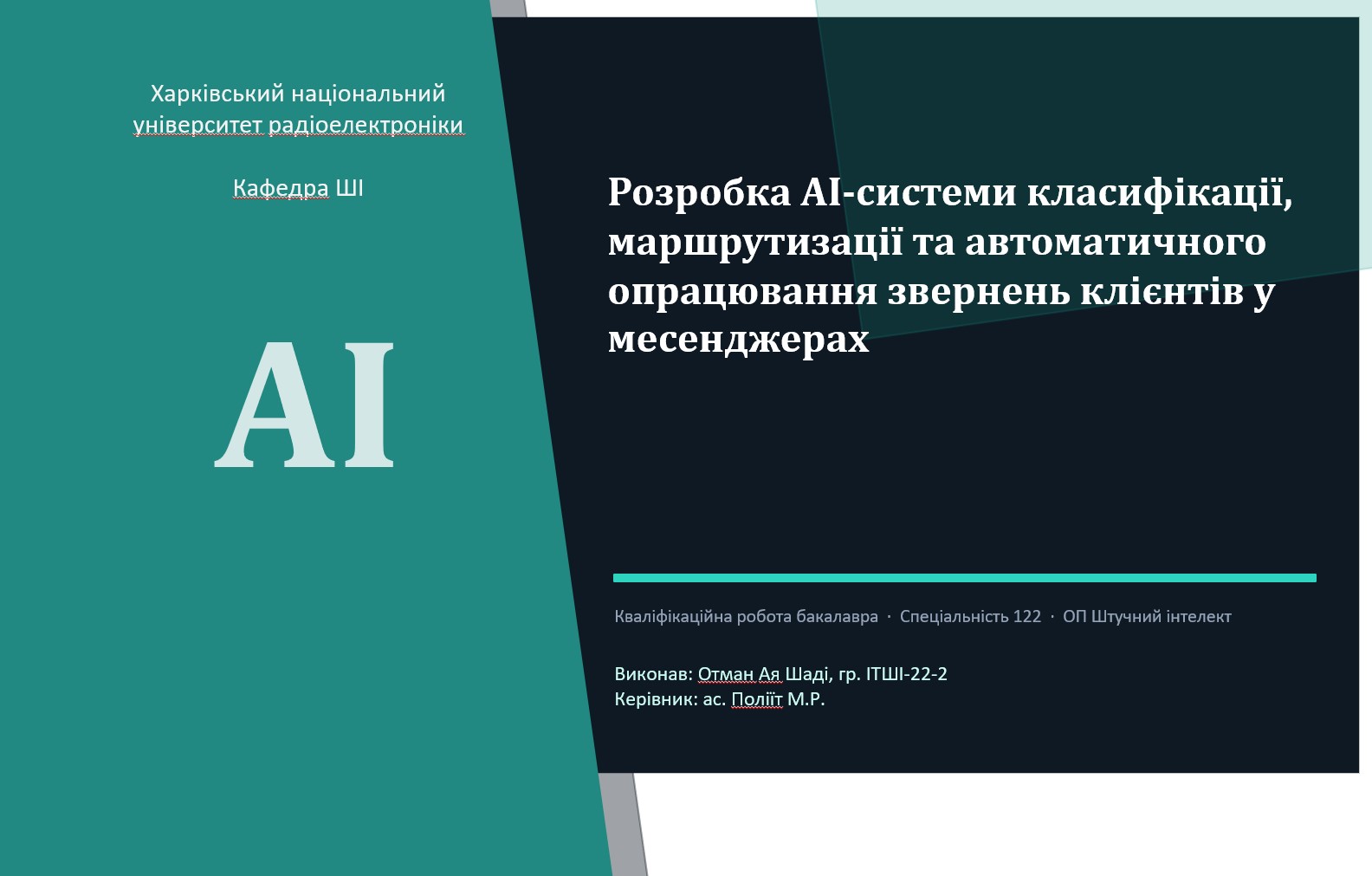
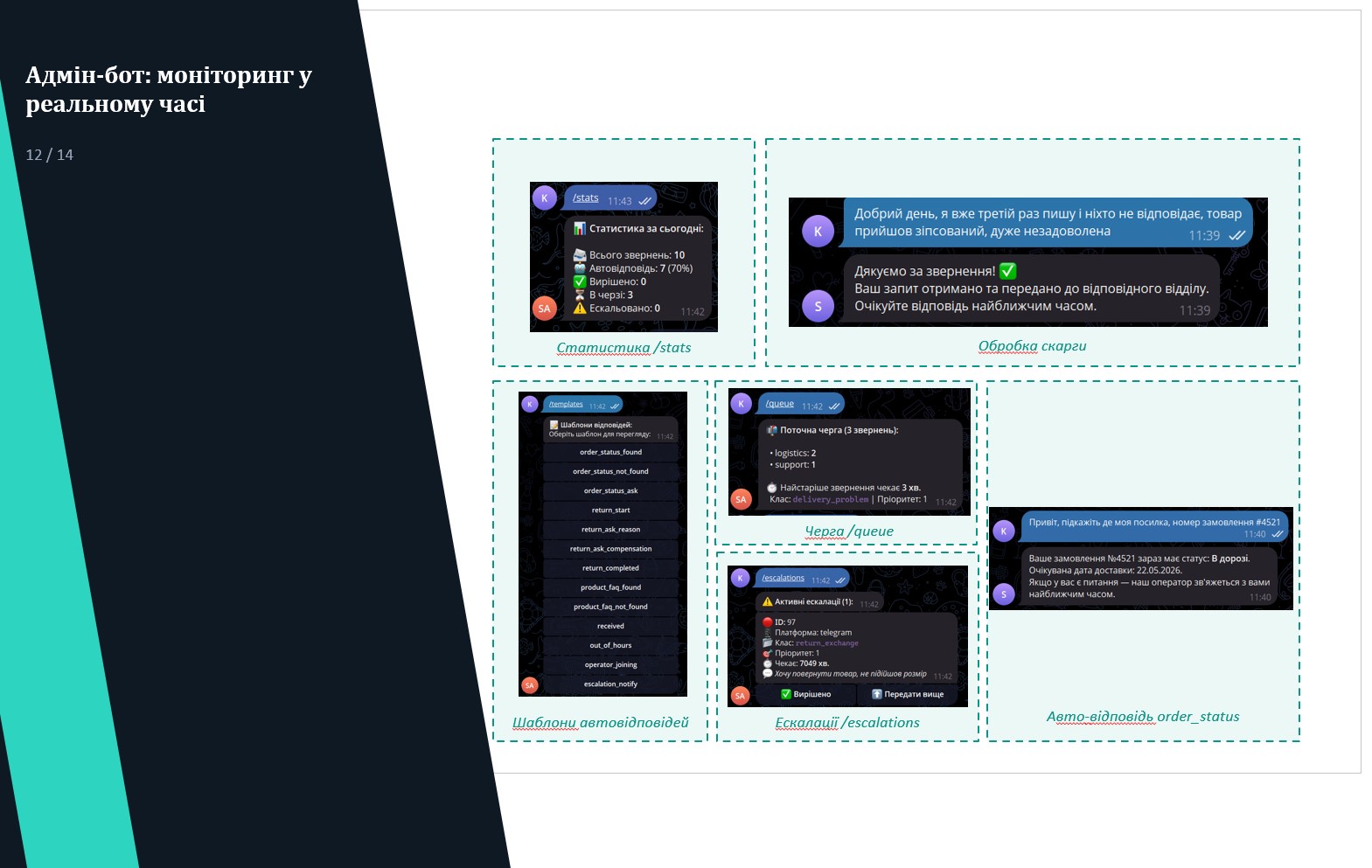
- Finance and business: forecasting the prices of financial instruments and automating the processing of customer inquiries in messaging applications.
- Environmental protection and sustainable development: predicting forest fires using satellite data and classifying household waste for environmentally responsible sorting.
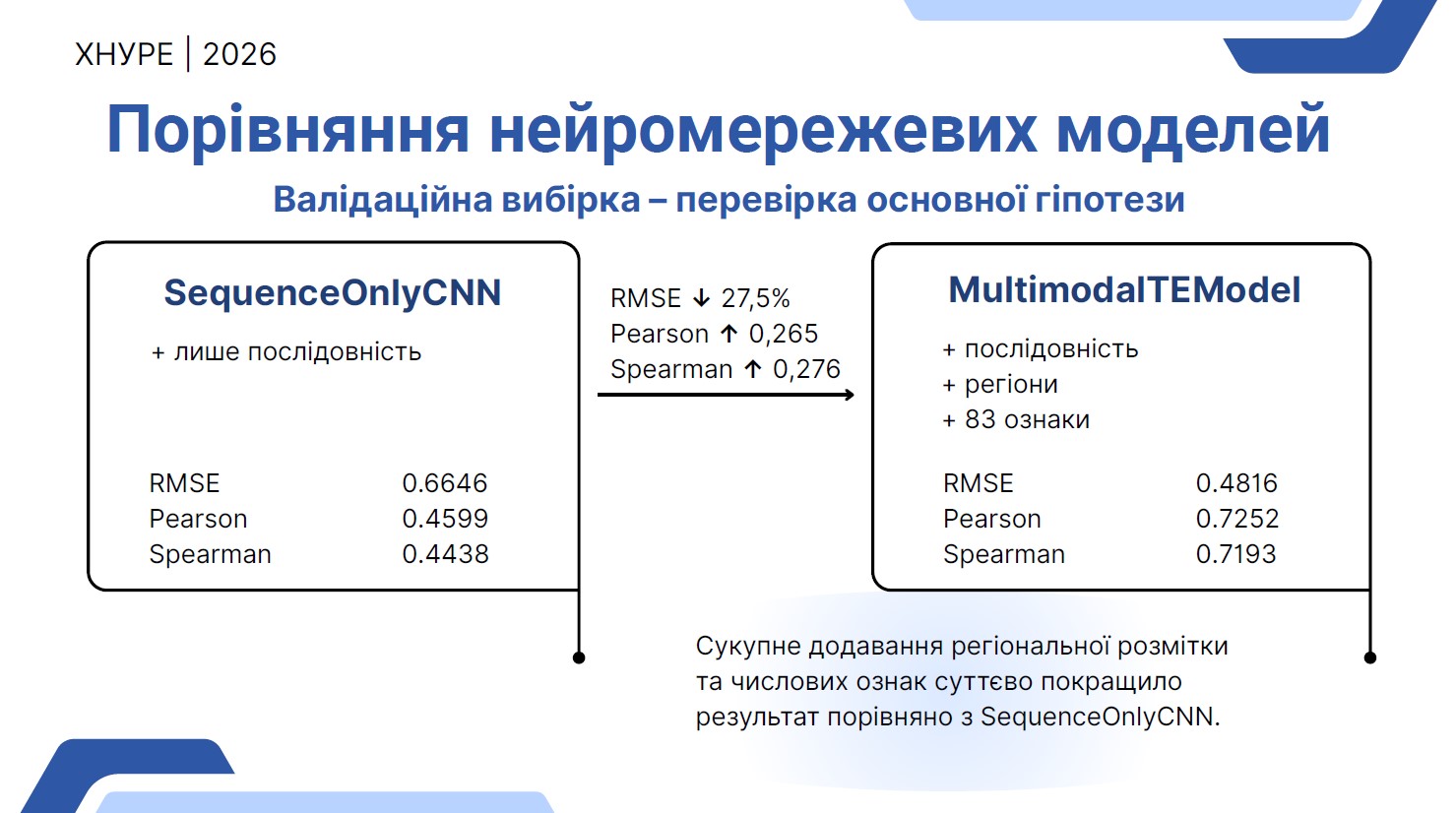
- Healthcare and bioinformatics: predicting mRNA translation efficiency and modeling epidemic dynamics.
Contribution to the Sustainable Development Goals (SDGs)
Many of the projects directly contribute to the achievement of the United Nations Sustainable Development Goals. In particular:
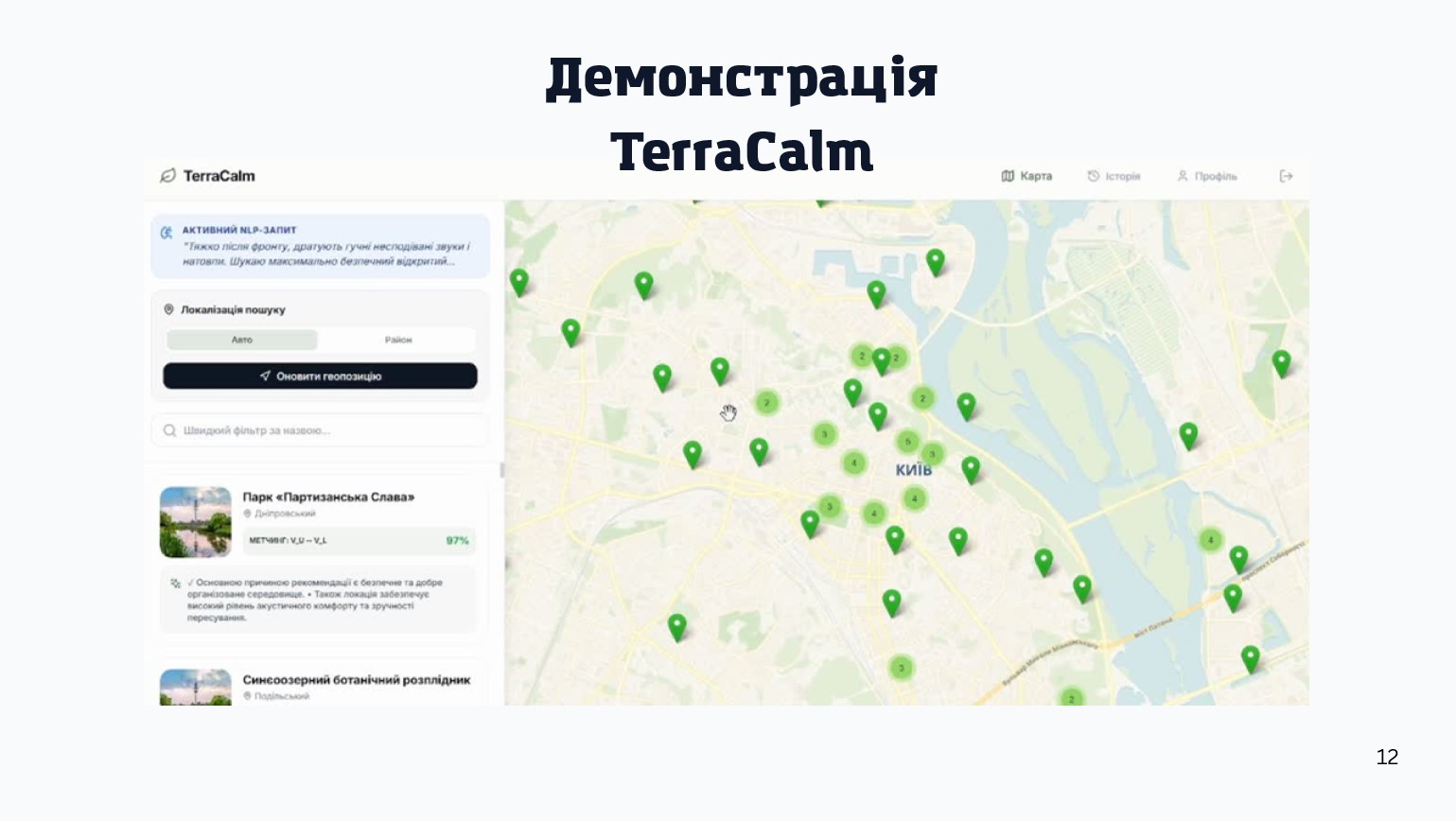
- Goal 11 — Sustainable Cities and Communities: Veronika Vynohradska developed an intelligent system called “TERRACALM”, which helps residents of urbanized areas find restorative spaces for psychosocial adaptation.
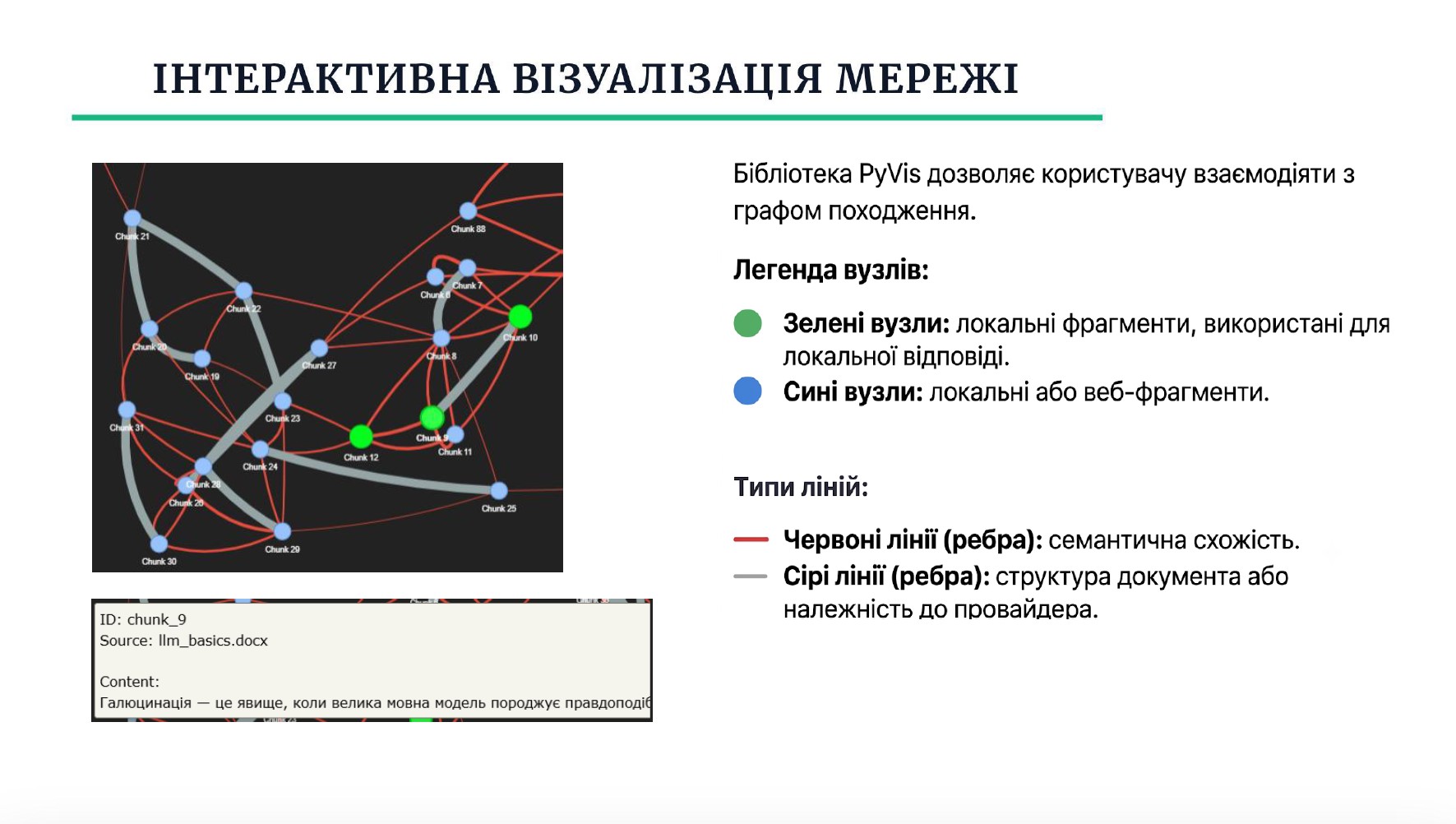
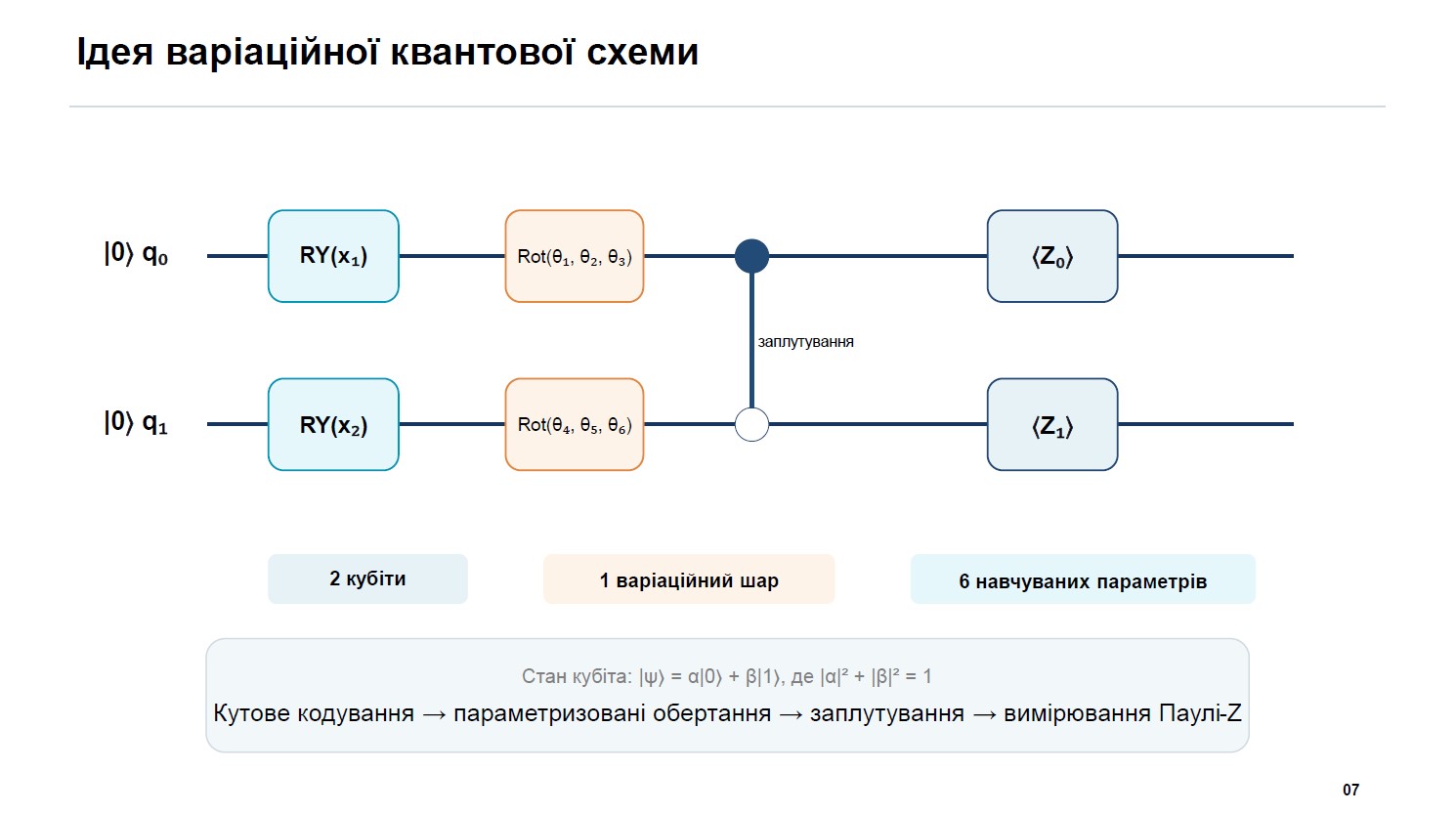
- Goal 9 — Industry, Innovation and Infrastructure: Maksym Vasiliv explored hybrid quantum-classical Vision Transformer architectures, representing a step toward the development of a new generation of computer vision systems with fewer parameters. Oleksandra Drohina presented a RAG-based response-generation method that improves transparency and trust in artificial intelligence through the use of provenance graphs.
- Goal 3 — Good Health and Well-Being: Research on fatigue biomarkers and mRNA analysis contributes to the advancement of precision medicine.
Practical Significance and Innovation
A distinctive feature of this graduating class was the exceptionally strong practical focus of the projects. Many of them already have functional MVP prototypes or have been presented and tested at international forums.
- Military technologies: Anna Knysh and Ivan Turenko developed optimized algorithms for edge platforms that enable interceptor drones to detect targets in real time, even with limited computing resources.
- Cybersecurity: Taras Tarabanov implemented a network intrusion detection system that uses deep learning methods to counter zero-day attacks.
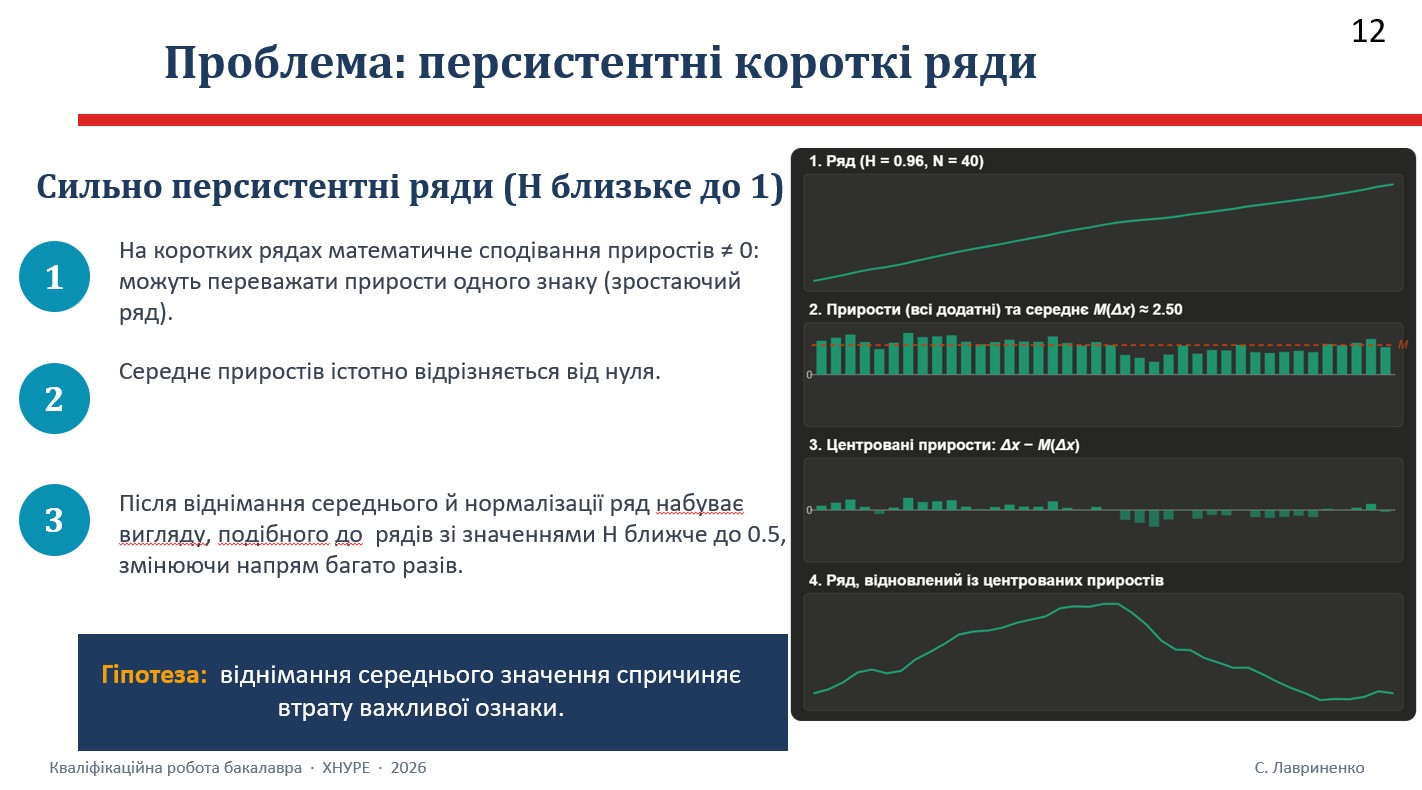
- Data analysis: Sofiia Lavrynenko proposed advanced neural network architectures for estimating the Hurst exponent in short time series, which is critical for analyzing complex chaotic processes.
Outstanding Results and Recognition
Most of the presented projects received the highest grades from the examination committee. Academic supervisors noted the impressive level of textual originality, often exceeding 99%, as well as the students’ independence in conducting scientific research.
This graduating class has once again confirmed that the Artificial Intelligence Department prepares world-class specialists who are capable not only of applying existing algorithms but also of developing their own unique methods—such as the KASFraD algorithm or the 12-dimensional “Digital Location Passport” model—to address the most complex challenges of the modern world.