

Interdisciplinary Dialogue: Senior Lecturer from the Department of Artificial Intelligence Hosted a Seminar on “Artificial Intelligence in Humanities Education” for Researchers at I. P. Kotlyarevsky National University of Arts
25 September 2026
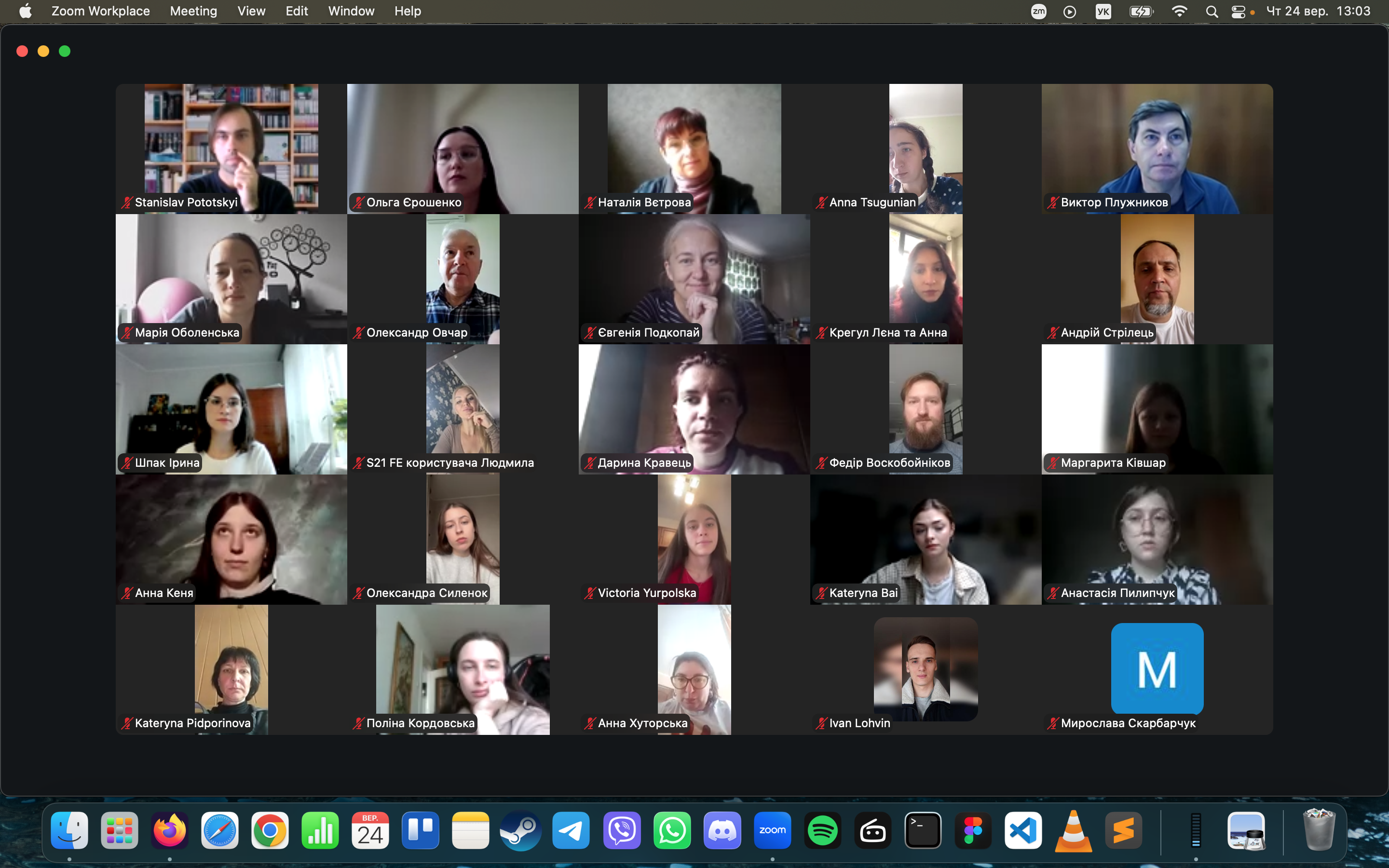
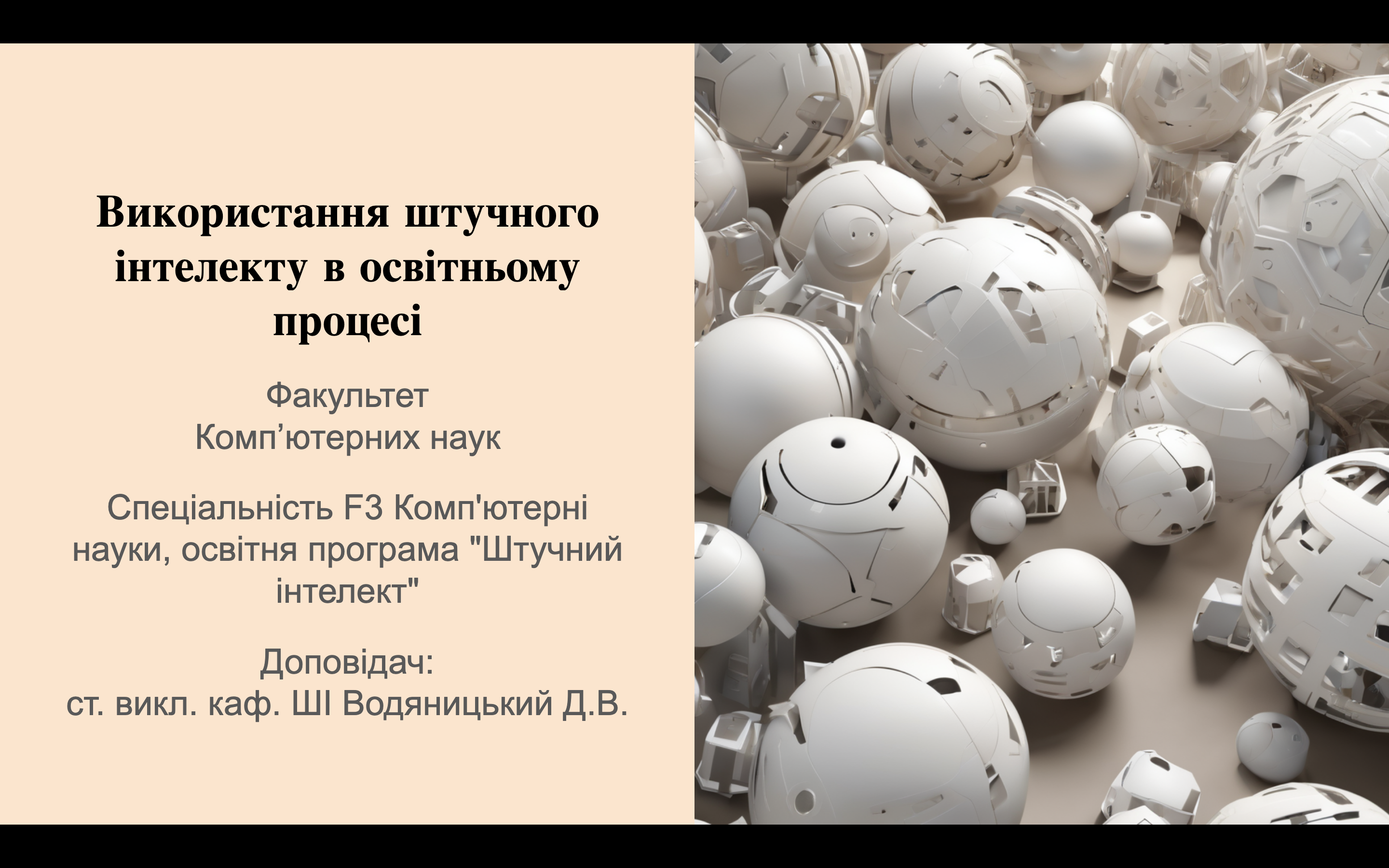
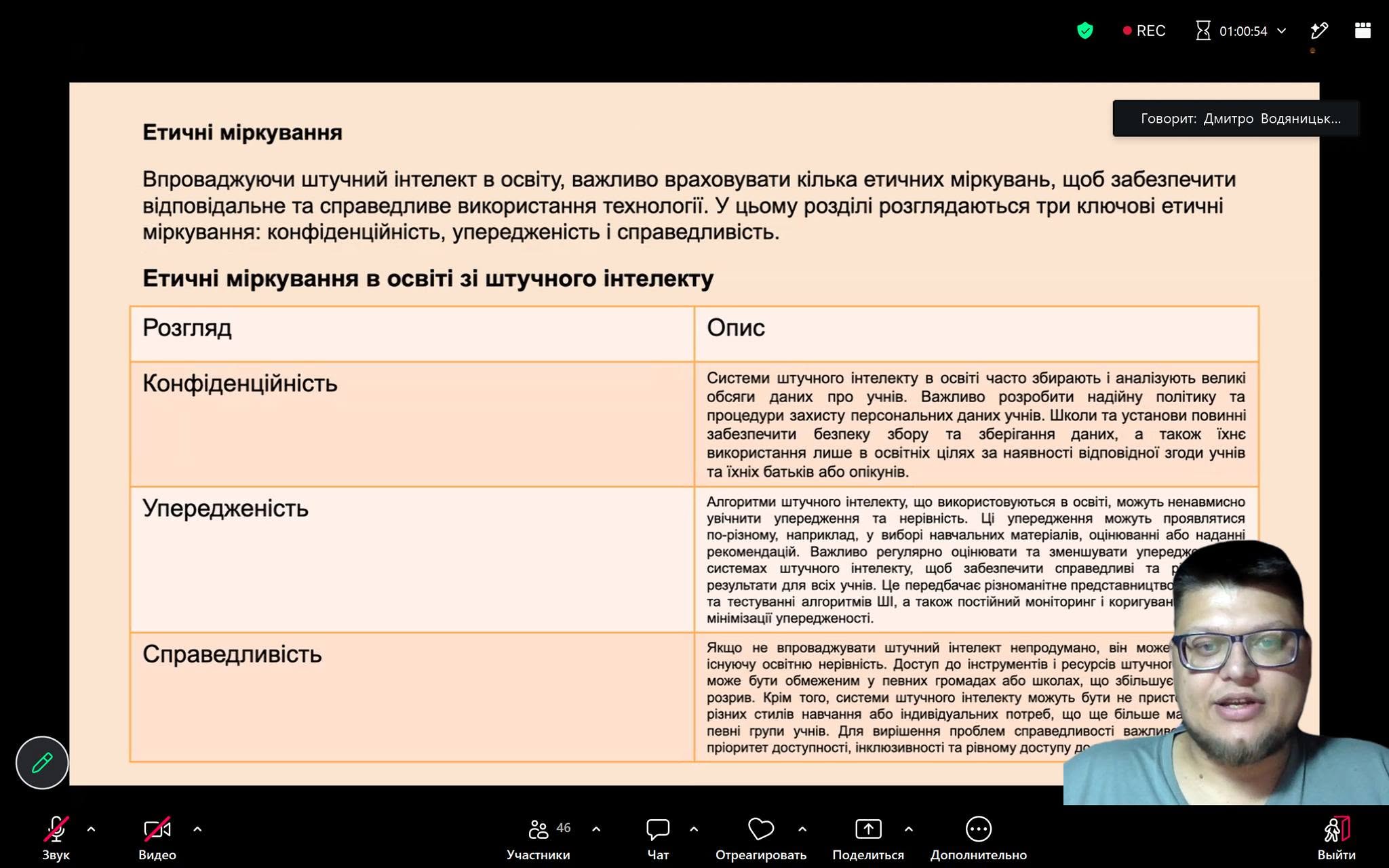
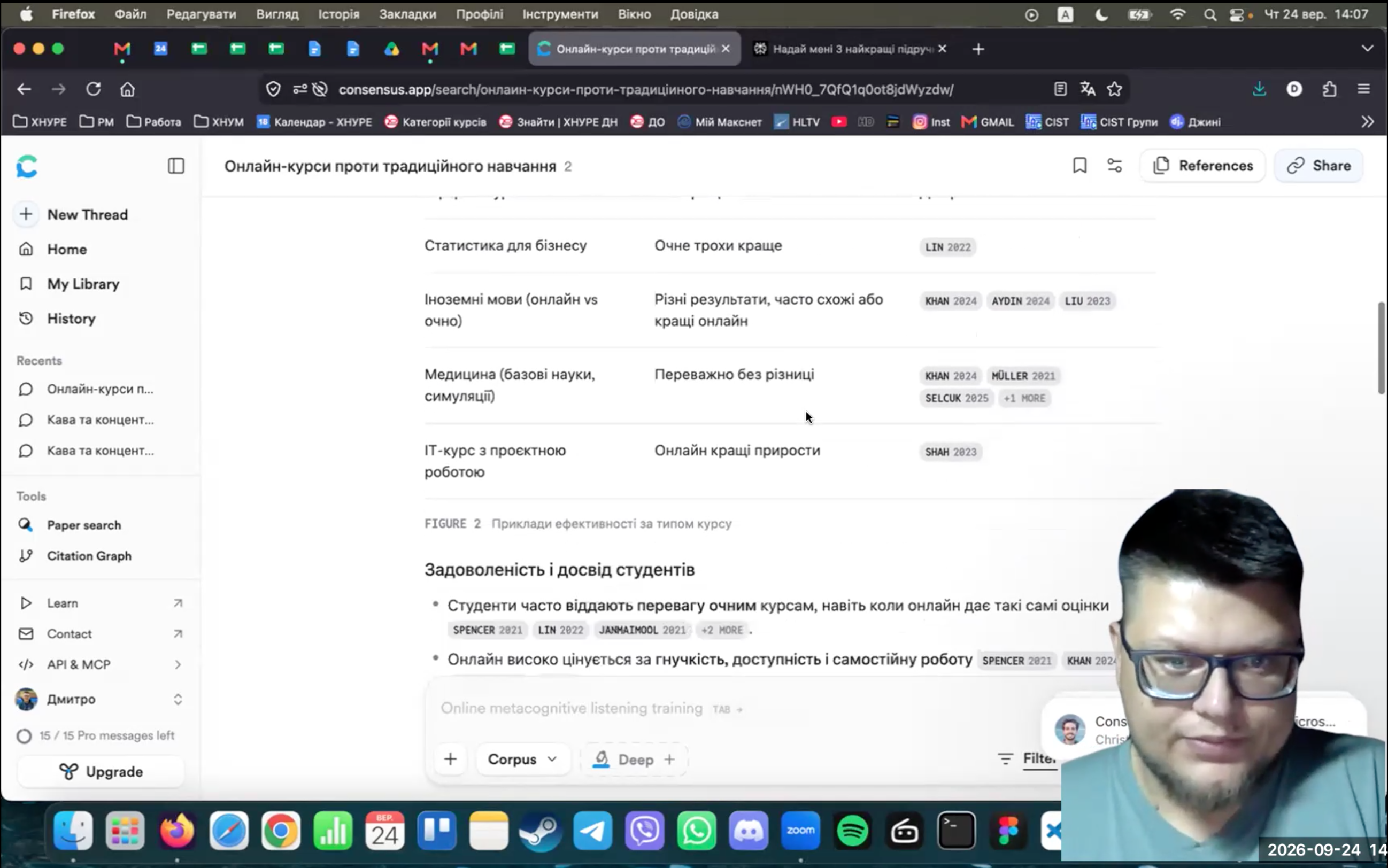
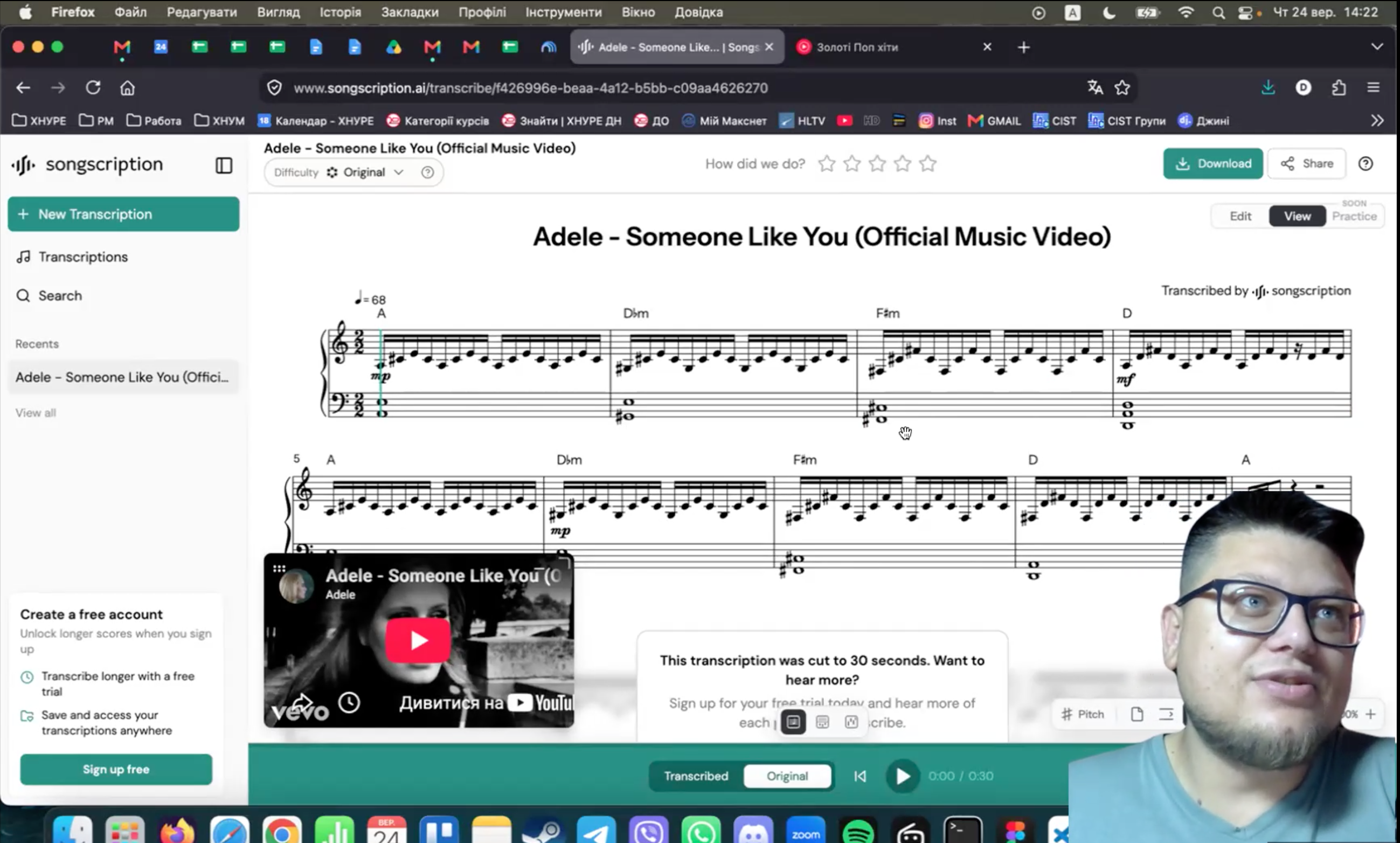
On September 24, Dmytro Valeriiovych Vodianytskyi, Senior Lecturer at the Department of Artificial Intelligence, conducted a specialized practical seminar on integrating artificial intelligence technologies into education, scientific research, and artistic practice. The event was organized for the faculty, postgraduate students, and researchers of the Kharkiv National University of Arts named after I. P. Kotlyarevsky, with the support of the Chair of the Young Scientists Council of the Kharkiv National University of Radio Electronics and the “LECTORIUM” educational project.
The primary goal of the meeting was to bridge fundamental computer science theory with the practical needs and challenges faced by researchers in the humanities and the arts.
📌 Key Topics and Issues Addressed
During the presentation, several key areas were explored in detail:
-
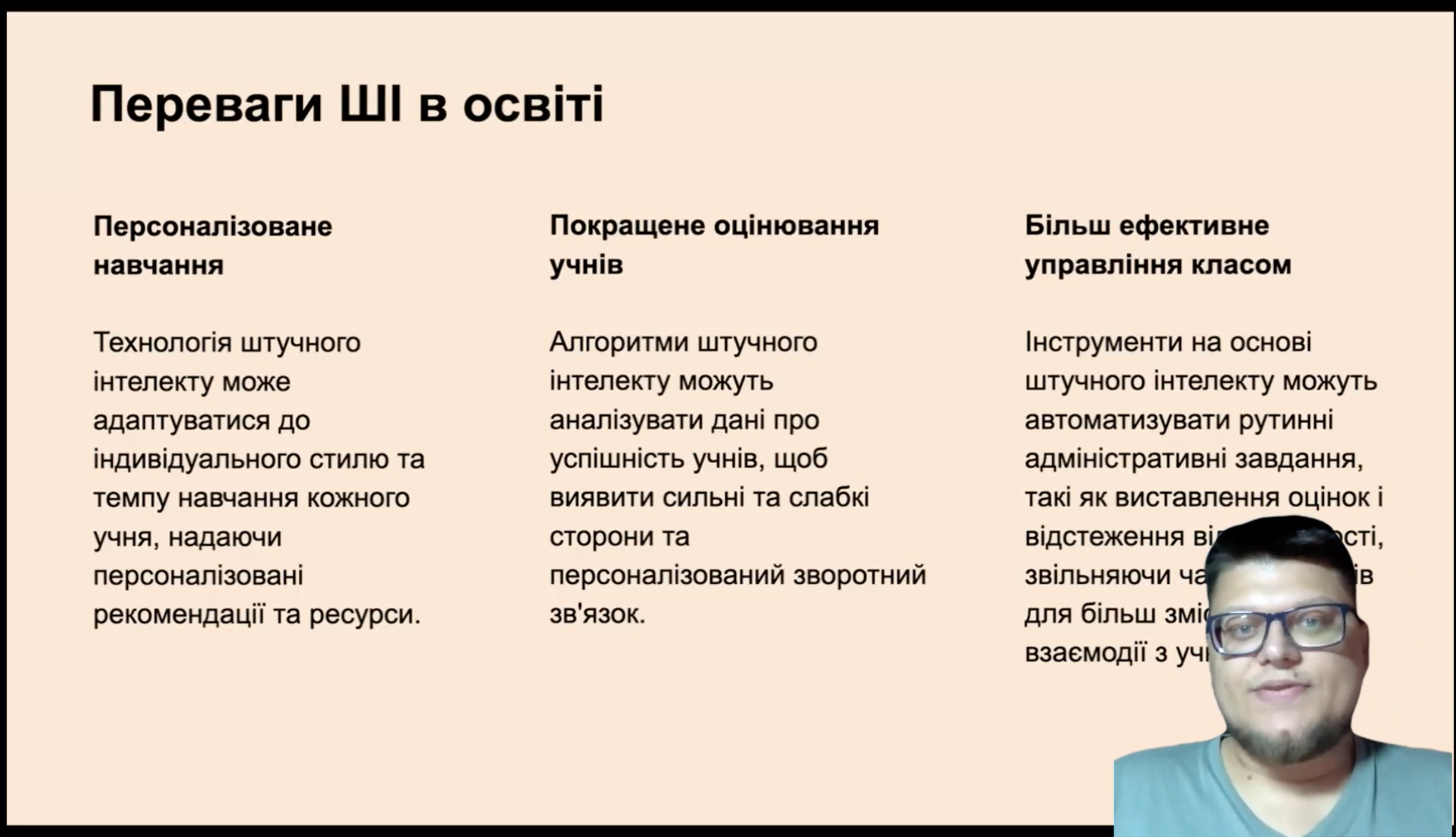
Theory and Methodology of AI in Education: The discussion highlighted the potential benefits of personalized learning, adaptive testing, and the automation of routine administrative teaching tasks.
-
Ethical Imperatives and Security: Special emphasis was placed on three fundamental ethical challenges: protecting student data privacy, controlling algorithmic bias in AI models, and bridging the digital divide among educational institutions.
-
Practical Tools for Art Scholars: The speaker demonstrated modern AI services for analyzing scientific publications without the risk of “hallucinations” (Consensus, Perplexity) as well as text generation and processing tools (Claude, ChatGPT).
-
Specialized Solutions for Musicology: Tools were presented for optical music recognition (SongScription.ai), automatic audio transcription into MIDI for researching performance practices (Spotify’s Basic Pitch), and multitrack stem separation into individual instrument tracks (Chordify).
-
Academic Integrity: Participants discussed methods for detecting AI-generated text (Turnitin, GPTZero), the boundaries between acceptable AI technical assistance and academic misconduct, and the researcher’s overall responsibility for the final output.
💡 Results and Prospects
The workshop sparked an engaging discussion among researchers and faculty members of the I. P. Kotlyarevsky Kharkiv National University of Arts. The dialogue underscored that artificial intelligence is viewed not as a replacement for teachers or artists, but as a powerful assistant that frees up time for creative work and deep analytical research.
The Department of Artificial Intelligence consistently supports interdisciplinary initiatives and continues to foster the development of digital competencies, academic integrity, and innovative approaches in Ukrainian higher education.
-
YouTube Video Link: https://youtu.be/bxHXFKqvMCg
-
Instructor’s YouTube Channel: www.youtube.com/@ДмитроВодяницький